Dubai’s rapid economic expansion, rising investor confidence, and accelerating migration trends have reshaped its real estate landscape. However, the emirate’s housing supply continues to lag behind its unprecedented population growth, creating structural pressures that affect affordability, availability, and long-term development planning. This comprehensive analysis evaluates Dubai’s residential demand trajectory, factors driving the supply gap, and the broader economic implications for residents, investors, and developers.
Understanding Dubai’s Surging Population Growth
Dubai has experienced a remarkable demographic surge over the past decade. Driven by economic diversification, business-friendly regulations, and global talent inflow, the emirate has transformed into a magnet for professionals, entrepreneurs, and high-net-worth individuals.
Key Drivers of Population Expansion
Economic diversification in technology, finance, logistics, and tourism
Business migration due to low taxes and innovation-friendly policies
Residency reforms including Golden Visa, Green Visa, and freelance permits
International investor influx, particularly from Europe, Asia, and CIS regions
This rapid expansion has created a widening gap between residential demand and housing availability, despite major developers launching large-scale off-plan projects.
Dubai’s Housing Supply: Why It Is Not Keeping Pace
Massive Demand vs. Limited Annual Deliveries
While demand has increased exponentially, the annual number of delivered housing units has not grown at the same pace. New construction often requires several years to complete, while demand continues to spike every quarter.
Key Reasons Behind the Supply Shortfall
1. Long Project Development Timelines
Major residential projects in Dubai typically require:
3–5+ years for planning, approvals, and construction
Extended phases for community infrastructure
Regulatory and compliance checks
This means homes planned today may not meet the immediate demand surge.
2. Land Availability and Zoning Restrictions
Although Dubai has abundant land, not all zones are approved for high-density housing. Certain premium districts—such as Downtown, Dubai Marina, and JBR—are nearing saturation.
3. Developer Focus on Luxury and Ultra-Luxury Segments
High-end projects offer better margins, leading many developers to prioritize:
Branded residences
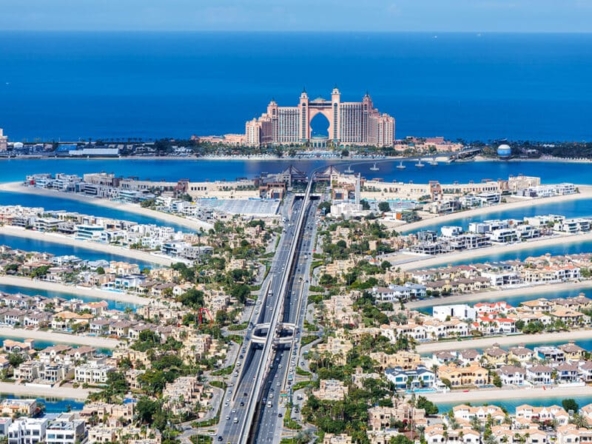
Waterfront communities
High-rise luxury towers
This has resulted in limited supply of affordable and mid-market homes, where demand is highest.
4. Migrant Workforce Growth Outpacing Development
Dubai’s working population is growing faster than previously forecasted. Job creation in:
Hospitality
Retail
Transportation
Technology
Construction
has attracted thousands of new residents monthly, placing more pressure on available housing.
Impact of the Supply–Demand Imbalance on the Real Estate Market
1. Rising Rental Prices Across All Districts
Dubai has witnessed:
Double-digit annual rental growth
Significant increases in villa and townhouse rents
Strong upward trends in prime apartment rents
Areas once considered “affordable” are now experiencing competitive bidding among tenants.
2. Escalating Property Sales Prices
With demand soaring:
Off-plan projects sell out within hours
Secondary market prices continue to rise
Investors see higher ROI due to rental yields and capital appreciation
This reinforces Dubai’s position as the world’s fastest-growing prime property market.
3. Shifts in Tenant and Buyer Preferences
Families and professionals increasingly prefer:
Suburban villas and townhouses
Smart city communities
Transit-oriented developments near Metro lines
Gated developments with lifestyle amenities
This is reshaping infrastructure priorities for developers.
4. Intensifying Pressure on Infrastructure
More residents mean higher demand for:
Schools
Hospitals
Roads and public transport
Utilities and green spaces
The supply gap has accelerated the government’s urban planning initiatives to expand infrastructure capacity.
How Developers Are Responding to the Housing Supply Gap
Leading developers are now adjusting their strategies to align with Dubai’s new demographic reality.
1. Expansion into Emerging Residential Districts
New districts gaining momentum include:
Dubai South
Dubailand
Meydan
DAMAC Lagoons Area
Jumeirah Village Circle (JVC)
Jumeirah Village Triangle (JVT)
These areas offer larger land parcels, enabling the development of mid-market homes and master-planned communities.
2. Acceleration of Off-Plan Launches
Developers are rapidly launching:
Mega communities
Mixed-use developments
Family-focused residential clusters
Off-plan buying has surged as investors secure lower entry prices while developers secure upfront capital.
3. Increasing Focus on Mid-Market Housing
While luxury remains dominant, several developers are now integrating:
Affordable apartment complexes
Mid-tier villas
Compact living spaces
This helps cater to Dubai’s expanding working population.
Government Policies Supporting Market Expansion
Dubai’s government continues to introduce reforms to stabilize the market while supporting growth.
Key Supportive Policies
Visa reforms encouraging long-term residency
Rent regulation frameworks to prevent excessive increases
Urban development plans under Dubai 2040 Master Plan
Enhanced infrastructure spending to support population growth
These initiatives ensure a balanced and sustainable real estate environment.
Future Outlook: Will Dubai’s Housing Supply Catch Up?
Short-Term (1–3 Years)
Housing supply is expected to remain tight:
Population growth will continue outpacing new deliveries
Rents and property prices may remain elevated
Investors will benefit from strong yields
Medium-Term (3–7 Years)
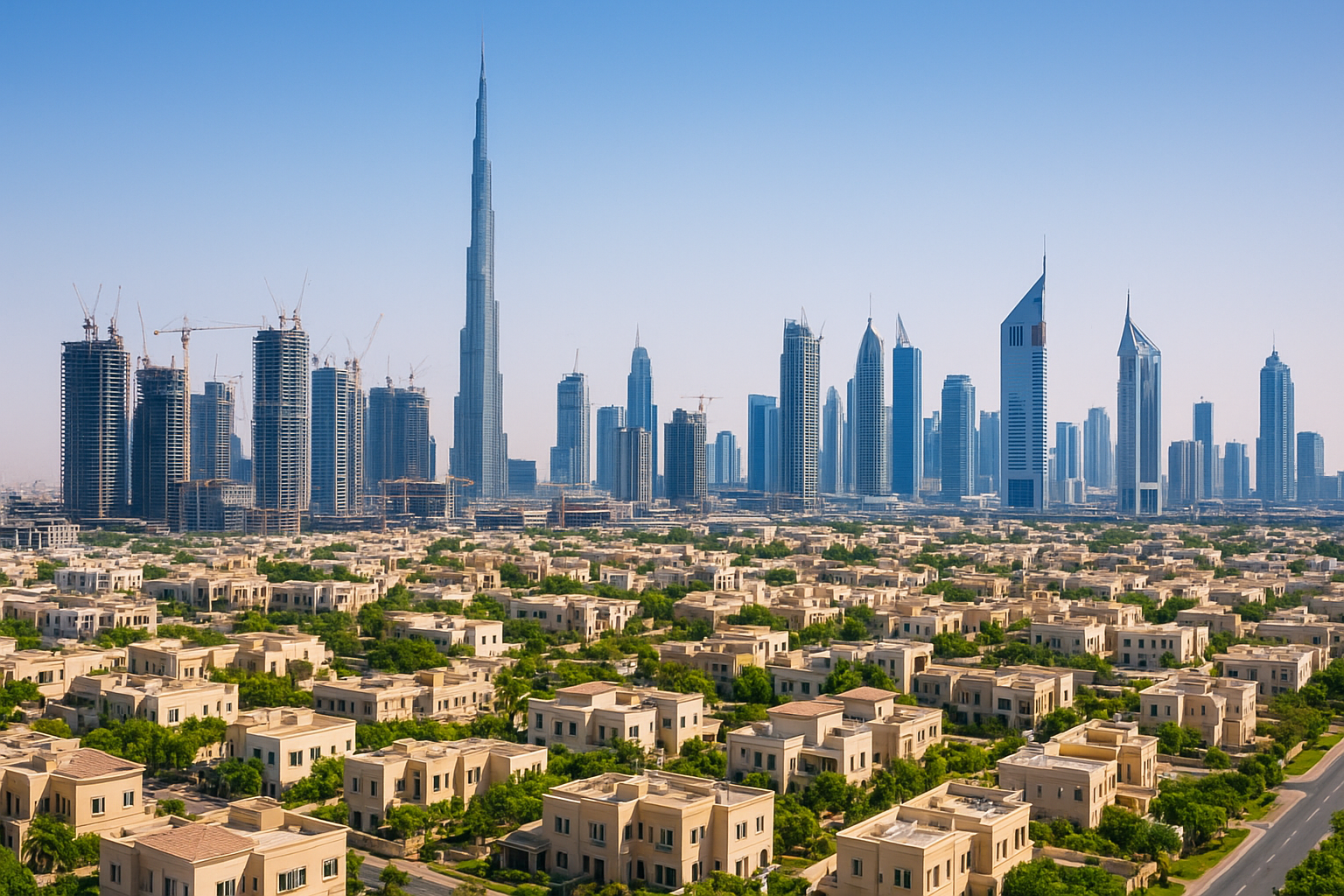
Massive ongoing construction activity may ease supply pressures:
Several mega-projects will be delivered
New residential cities will emerge
Infrastructure expansion will widen livable areas
Long-Term (7+ Years)
As Dubai’s 2040 Vision progresses:
Housing distribution will be more balanced
Ultra-modern districts will redefine urban living
Sustainable communities will dominate new supply
Dubai’s trajectory indicates long-term market strength with continuous demand inflow supported by economic expansion.
Conclusion
Dubai’s real estate sector remains one of the world’s fastest-growing markets. However, the imbalance between housing supply and population growth is creating new challenges and opportunities. With rising demand, stable government policies, and ongoing mega-developments, Dubai continues to attract global investors and residents seeking stability, innovation, and premium lifestyle offerings.
As the emirate evolves into a global powerhouse for commerce, tourism, and innovation, timely housing development will be critical to ensure affordability, sustainability, and long-term market resilience.